Ultimate Guide: How to Get a Driving Licence in Canada
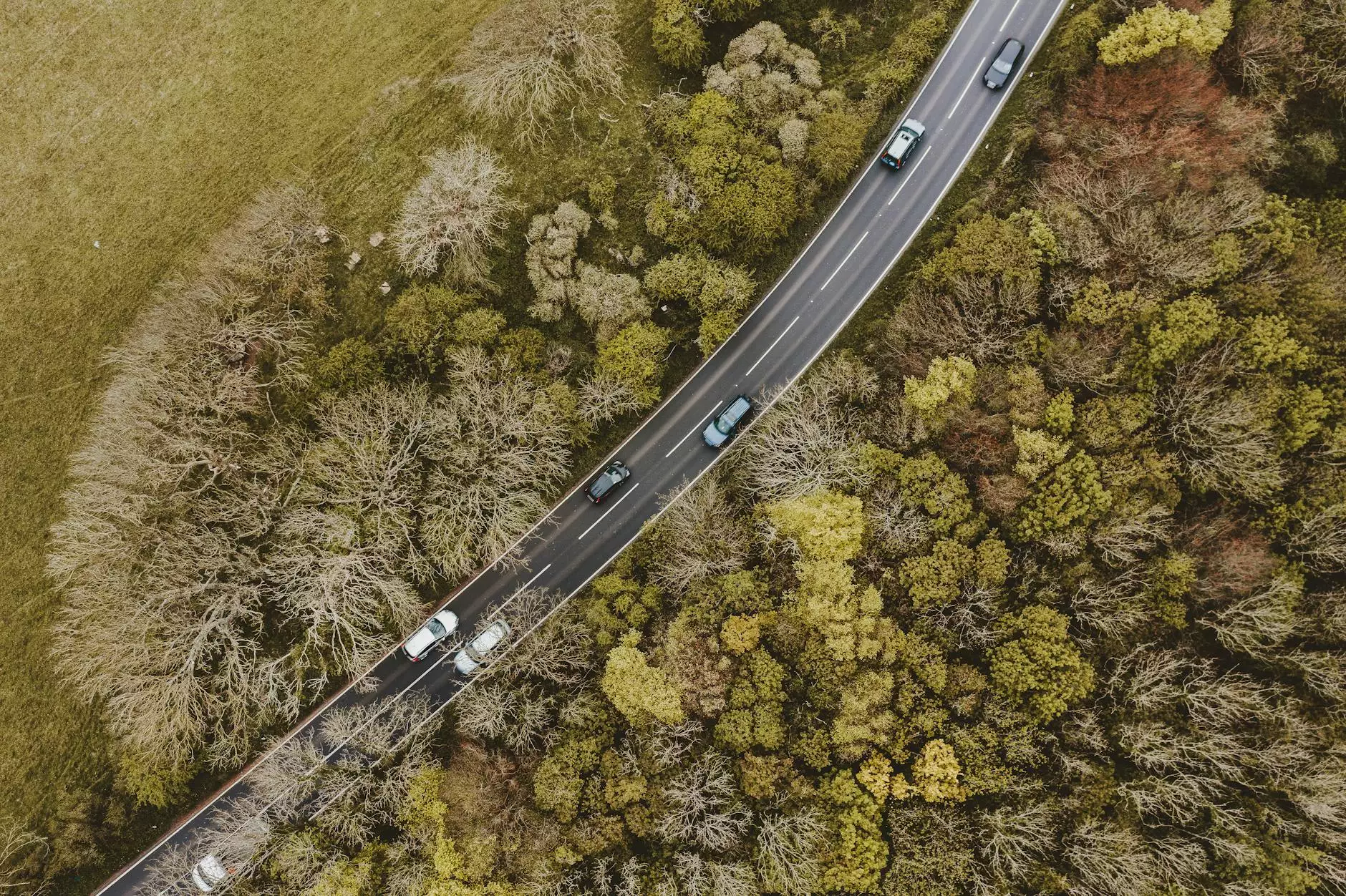
Obtaining a driving licence in Canada is a significant milestone for many residents, newcomers, and aspiring drivers who wish to gain independence and mobility within this vast and diverse country. Navigating the licensing process can seem complex, especially for those unfamiliar with local regulations and procedures. Fortunately, with proper guidance and understanding, you can smoothly move through the required steps to secure your license and enjoy the freedom of driving across Canada's scenic roads.
Understanding the Importance of a Canadian Driving Licence
A Canadian driving license is more than just a permit to operate a vehicle; it's a legal document that grants you the authority to drive legally within all provinces and territories. Moreover, it serves as an important form of identification, often required for various legal and administrative processes. Whether you're commuting daily, exploring the country’s renowned national parks, or fulfilling personal ventures, a valid license ensures safety, legality, and convenience.
Basic Eligibility Criteria for Obtaining a Driving Licence in Canada
- Age requirement: The minimum age varies by province but generally starts from 16 to 18 years old.
- Residency status: You must be a resident of Canada or have legal permission to stay in the country.
- Identification: Valid identification documents such as passports, visas, or residency permits.
- Knowledge of local traffic laws: Basic understanding of Canada's road rules and safety regulations.
- Health and vision standards: Passing an eyesight test is typically mandatory to ensure safe driving.
Step-by-Step Guide on How to Get a Driving Licence in Canada
1. Determine Your Province or Territory’s Licensing Authority
Canada’s licensing system is administered provincially and territorially. Each jurisdiction has its own process, rules, and requirements. Examples include the Ontario Ministry of Transportation (MTO), the British Columbia Ministry of Transportation, and the Alberta Motor Association. It is crucial to identify the authoritative body in your province or territory before initiating the process.
2. Understand the Licensing Roadmap: Graduated Licensing System
Most provinces implement a graduated licensing system, designed to gradually develop your skills and experience through multiple stages:
- Learner’s Permit (Class 7 or G1): The initial stage, requiring a knowledge test and possibly a vision test.
- Probationary or Intermediate Licence (Class 5 or G2): After holding the learner's permit for a certain period and passing a road test, you move to a more independent stage.
- Full Licence (Class 5 or G): The final stage allowing unrestricted driving privileges.
3. Prepare for the Knowledge Test
To obtain your how to get driving licence in Canada, the first critical step is passing the written knowledge exam. This test assesses your understanding of traffic laws, safety rules, and road signs. To prepare effectively:
- Study official driver’s handbooks: Each province publishes a manual with detailed traffic rules.
- Take practice tests: Many provincial websites offer free practice quizzes to gauge your readiness.
- Focus on crucial areas: Road signs, right-of-way rules, alcohol and drug regulations, and defensive driving techniques.
4. Pass the Knowledge Test
Most provinces conduct the knowledge test at designated licensing centers or service offices. The test is typically multiple-choice, either on paper or computerized. Once you pass, you'll receive your learner's permit, enabling you to practice driving under supervision.
5. Accumulate Practice Hours and Gain Supervised Driving Experience
With a learner’s permit, you are usually required to log a specific number of supervised driving hours. This period allows new drivers to gain practical experience under various conditions:
- Driving during different times of the day.
- Practicing in various weather conditions.
- Developing skills in city, highway, and rural settings.
6. Schedule and Pass the Road Test
The next step involves passing a practical road test, which evaluates your ability to operate a vehicle safely and confidently. The test typically includes:
- Basic vehicle control skills.
- Proper signaling and lane changing.
- Parking skills, including parallel parking.
- Adherence to traffic laws and safe driving practices.
7. Obtain Your Full Driving Licence
After successfully passing the road test and fulfilling any other provincial requirements (such as holding your learner’s permit for a minimum duration), you will be issued a full or permanent driving license. This license grants you unrestricted driving privileges across Canada.
Special Considerations for International Drivers
How to Get a Driving Licence in Canada as an International Driver
If you are a visitor or immigrant from another country, your licensing process may vary. Some provinces recognize foreign licenses temporarily, while others require you to exchange your license for a Canadian one within a specific period.
- Visit your provincial licensing authority’s website: For detailed procedures applicable to your situation.
- Consider taking driving tests: If your foreign license isn’t recognized or is expired, you may need to undergo written and practical exams.
- Provision for license exchange: Many provinces have reciprocal agreements with certain countries allowing license exchange without taking tests.
Legal and Safety Tips for New Drivers in Canada
- Always carry your driving licence: Keep your license valid and accessible while driving.
- Obey all traffic laws: Speed limits, seat belt use, and alcohol consumption regulations are strictly enforced.
- Practice defensive driving: Be aware of your surroundings and anticipate other drivers’ actions.
- Stay updated on road conditions: Seasonal weather can affect driving, so adapt accordingly.
- Insurance: Ensure you have valid auto insurance, which is mandatory in Canada.
Additional Resources and Support for Aspiring Drivers
Realdocumentz.com offers comprehensive legal services to facilitate the licensing process, especially for newcomers and those facing legal or administrative challenges. Here’s how we support:
- Assistance in understanding provincial licensing regulations.
- Guidance on preparing documentation and approvals.
- Support with legal documentation required for license applications or renewals.
- Consultation services to streamline the entire process of how to get driving licence in Canada.
Conclusion: Navigating the Path to Your Canadian Driving Licence
Embarking on the journey to obtain a driving licence in Canada might seem overwhelming at first, but with a clear understanding of the steps and requirements, it becomes a manageable process. Remember to prepare thoroughly, adhere to legal standards, and practice safe driving techniques. With dedication and proper guidance, you will soon enjoy the freedom and independence that comes with having your own Canadian driving license.
For expert legal assistance and detailed support tailored to your circumstances, Realdocumentz.com stands ready to help you navigate each step smoothly. Drive safely and confidently across Canada's beautiful landscapes!